
#01
Working Reflections On….
When architecture becomes an active part of supporting vulnerable young people
02.12.2025
A commitment to creating better environments for young people in institutional settings
At Alex Poulsen Architects, we work to create supportive environments for people in vulnerable life situations. This includes young people whose daily lives may be marked by shifting circumstances and limited stability. In many youth care and behavioral health settings, the physical environment plays an important role by offering a clearer foundation for wellbeing and development.In both Scandinavian and North American contexts, there is growing attention on trauma informed design, youth behavioral health and community-based care. When relationships and daily structures are uncertain, the physical environment becomes part of the overall support system. Environments that provide calm, clarity and predictability function as therapeutic settings where young people can regulate emotions, build trust and find stability in a safe setting.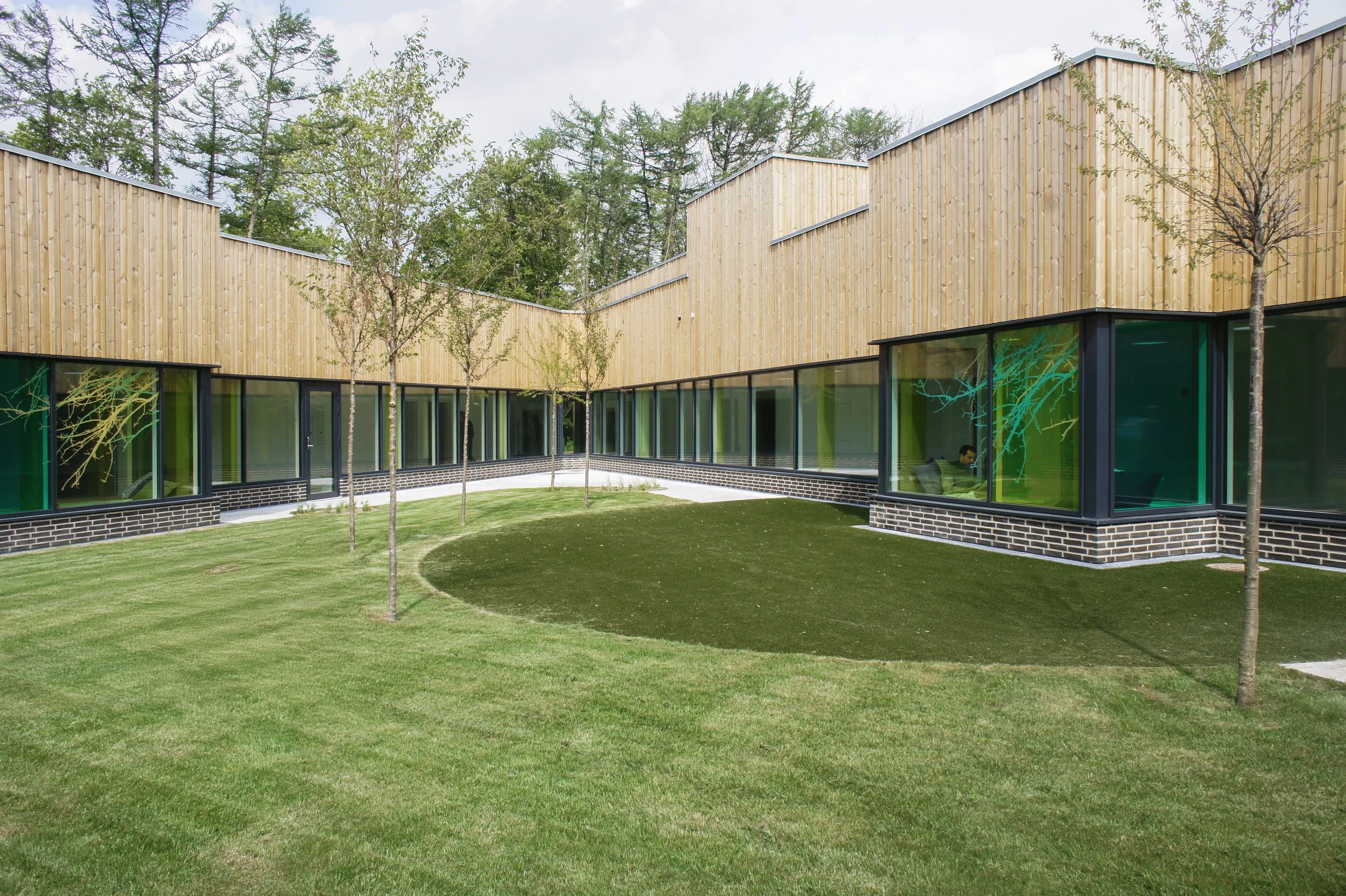
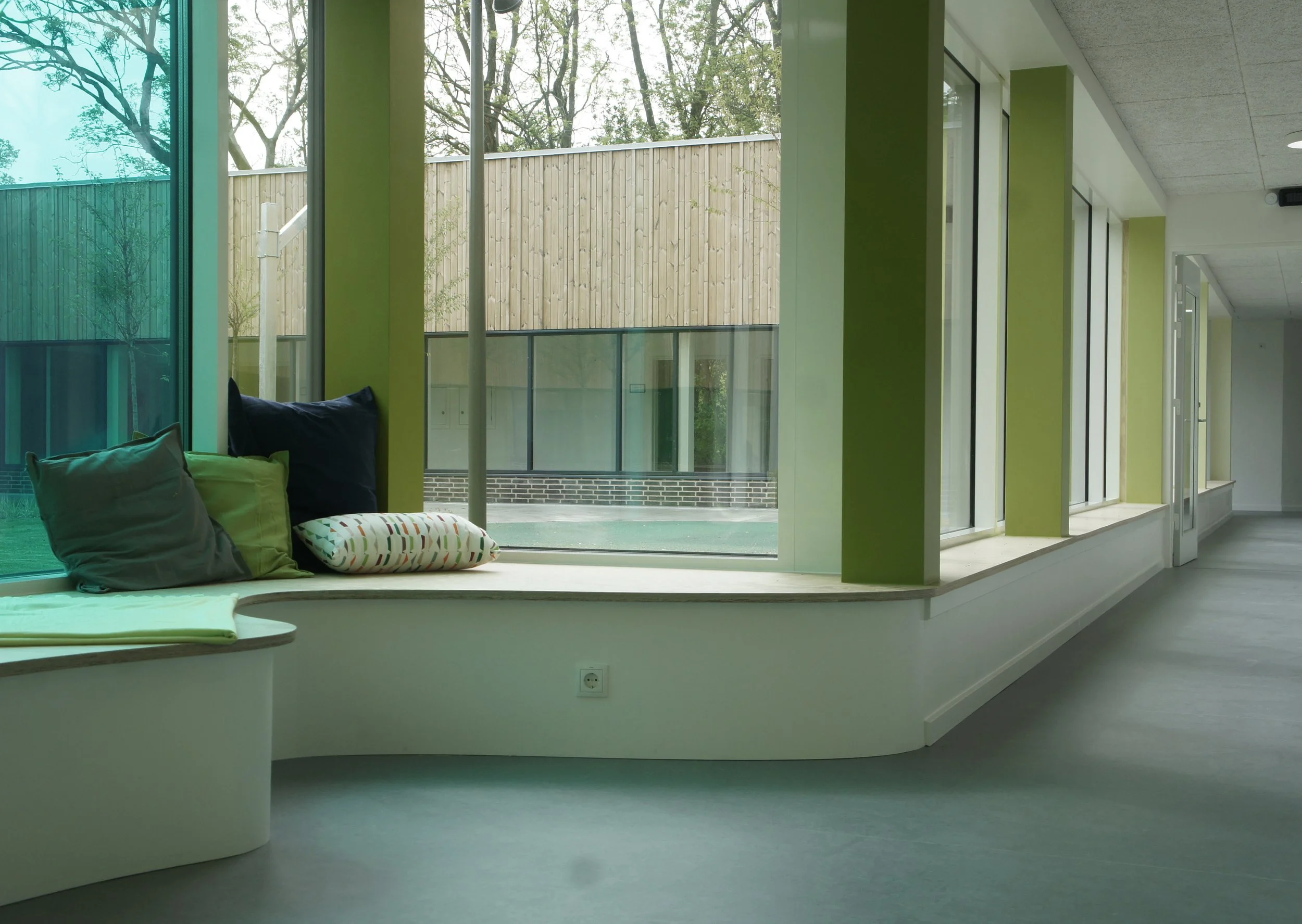
Spaces that promote safety, regulation and development
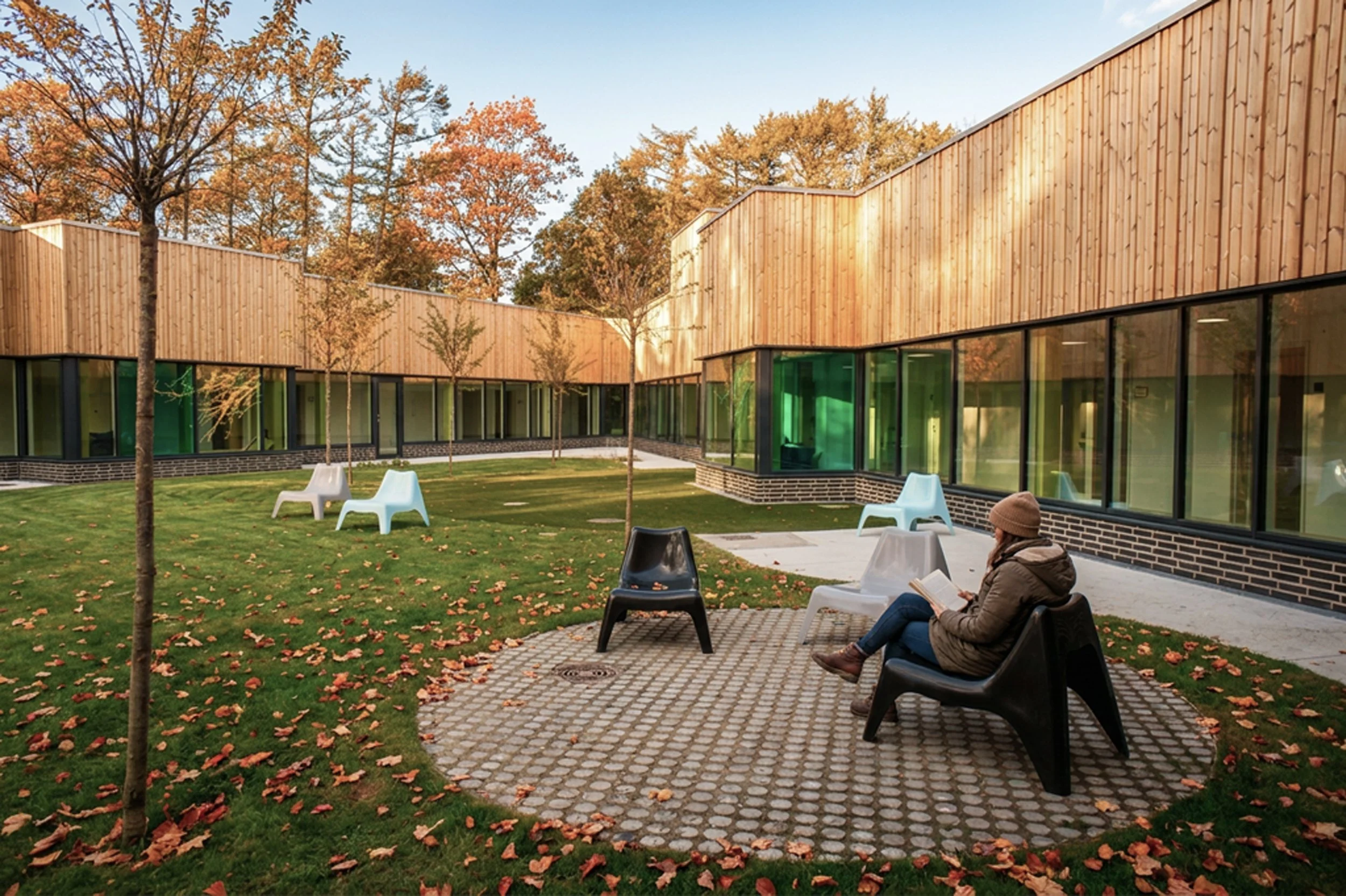
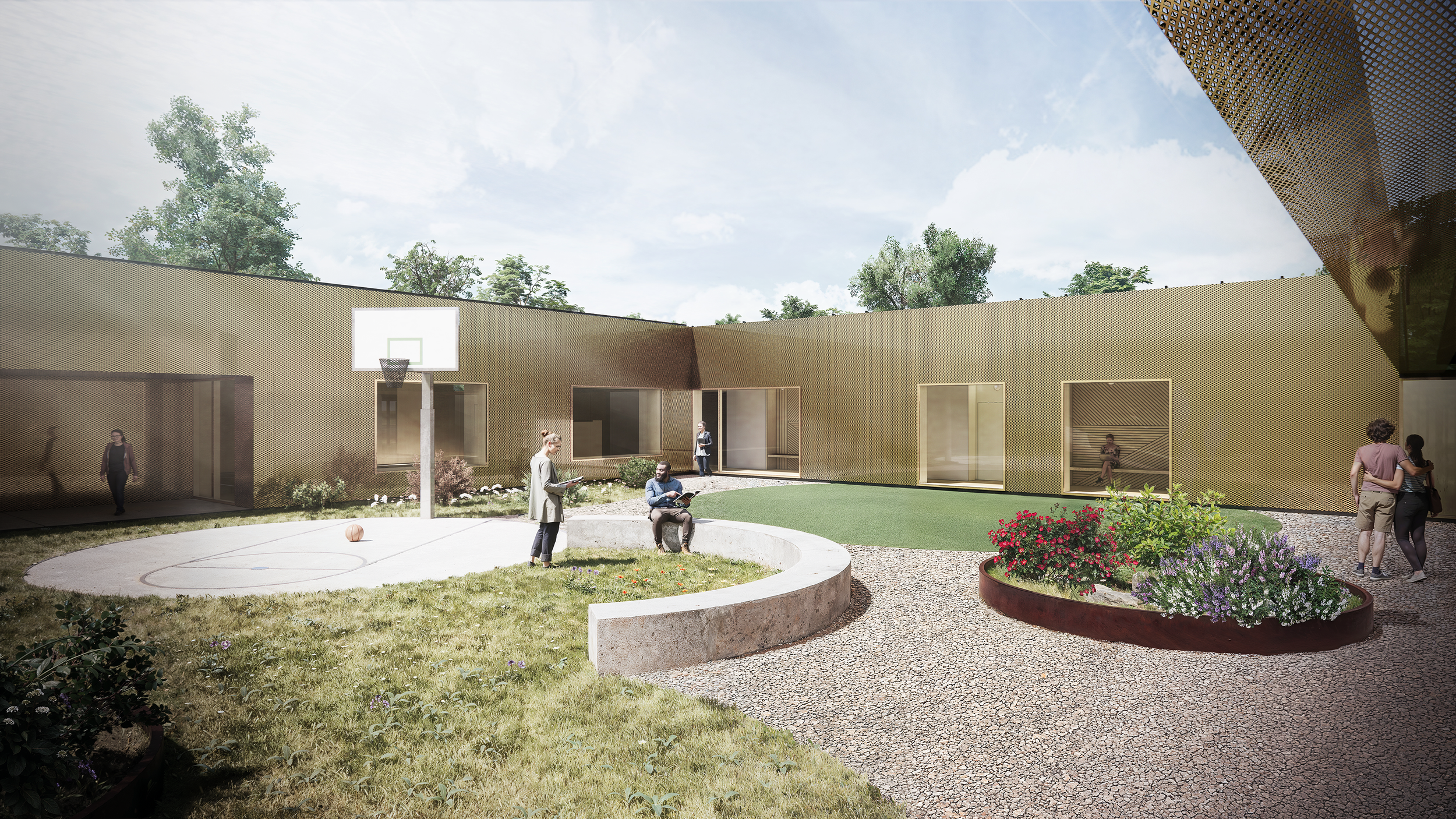
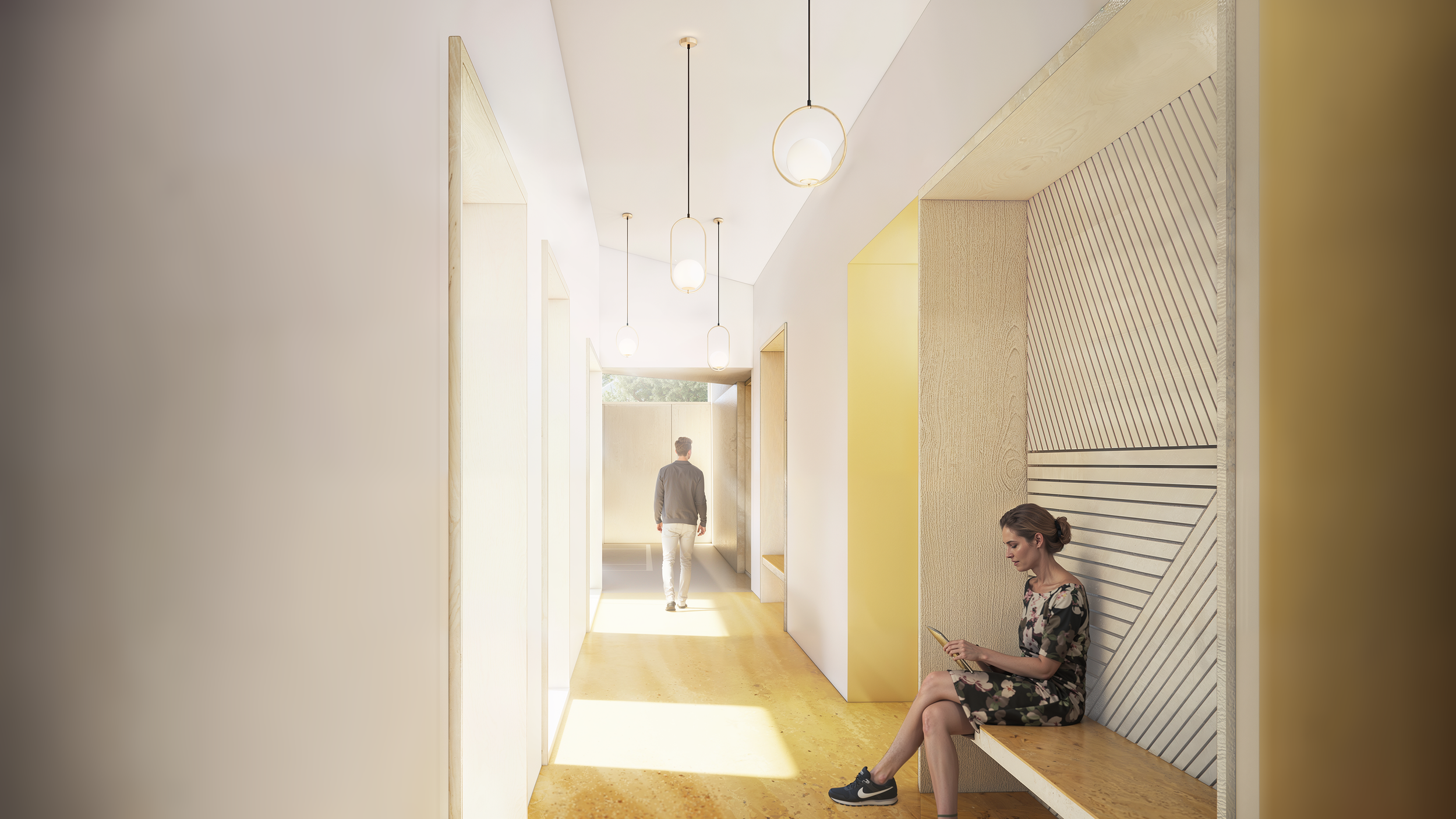
Our experience builds on projects such as Brønderslev Psychiatry, the Forensic Psychiatric Centre in Glostrup, the Bispebjerg Psychiatry Center for Children and Youth and the Psychiatric Centre Ballerup. Through these projects, we have worked with insights related to structure, sensory awareness, relational contact, safety and supportive outdoor environments. These elements are closely aligned with principles from evidence-based design and therapeutic youth environments found in international practice.Although Brønderslev Psychiatry was never realized, the design process gave us valuable knowledge about how clear layouts, reduced sensory load and a balanced distribution between shared areas and retreat spaces can support individuals with high vulnerability. This approach reflects key methods within trauma sensitive care and youth stabilization environments.At the Forensic Psychiatric Centre in Glostrup, we worked with environments where safety and care must coexist. The design focused on reducing conflicts, supporting relational interaction and maintaining privacy without compromising staff overview. This dual focus aligns with approaches within youth justice architecture and restorative environments in North America. At the Bispebjerg Child and Adolescent Psychiatry Centre, our work showed how variation in spatial types, tactile materials and smaller zones for withdrawal can give young people a stronger sense of control and safety. This level of spatial diversity is essential in adolescent behavioral health design, where flexibility is required to support different individual needs.In the development of the Psychiatric Centre Ballerup, we worked with green outdoor areas and sheltered courtyards that create calm and offer space for reflection. Access to nature and safe outdoor areas is widely recognized as a vital component in restricted environments, with substantial benefits for wellness and mental health. Numerous studies on biophilic design across Europe, Canada, and the United States highlight the significant positive impact of such elements.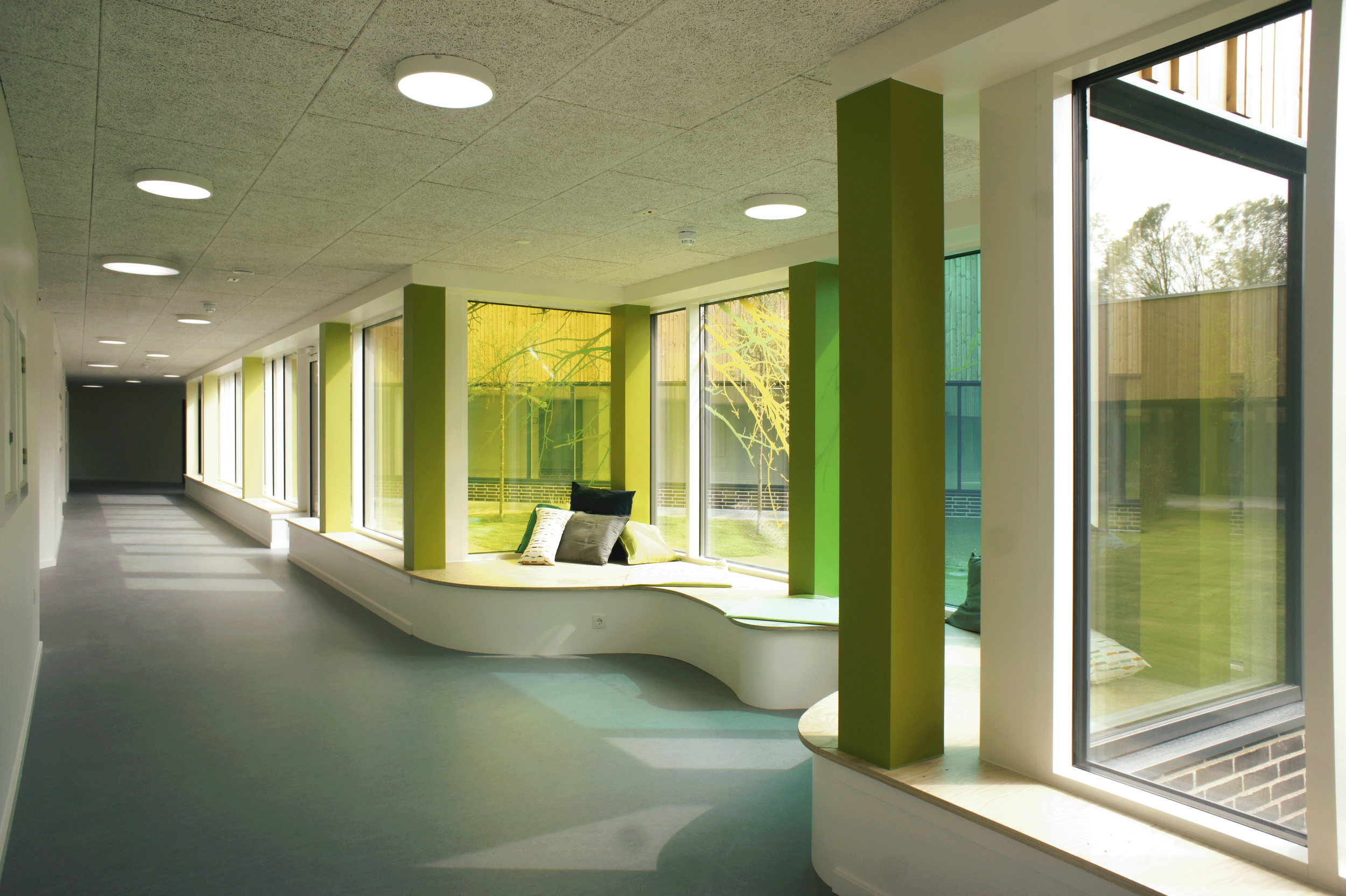
A holistic framework for young people in vulnerable processes
The balance between community and the opportunity for withdrawal is central. Young people with complex needs require environments that invite social interaction while also allowing retreat without creating isolation. Small spatial pockets and quiet zones help them regulate themselves and rejoin activities at their own pace. Similar principles are emphasized in community reintegration design and behavioral health environments internationally.When architecture and pedagogical practice are integrated, a holistic framework emerges that supports prevention, stability and positive development. The right physical environment can reduce conflicts, strengthen relationships and provide a sense of coherence and value. These ideas resonate with international approaches to human centered design and youth wellbeing.Well-designed environments can improve the daily lives of young people in institutional settings and support efforts to provide greater stability and better conditions for development. With our experience from psychiatric, forensic and socially oriented environments, we are ready to create settings where architecture becomes an active contributor to young people’s progress, wellbeing and long-term development.
Thanks for reading!
We truly believe that architecture shapes society, and every project is a chance to make spaces that people love and communities thrive in.
We can’t wait to share more ideas and inspirations with you in the next edition.