Designed to heal
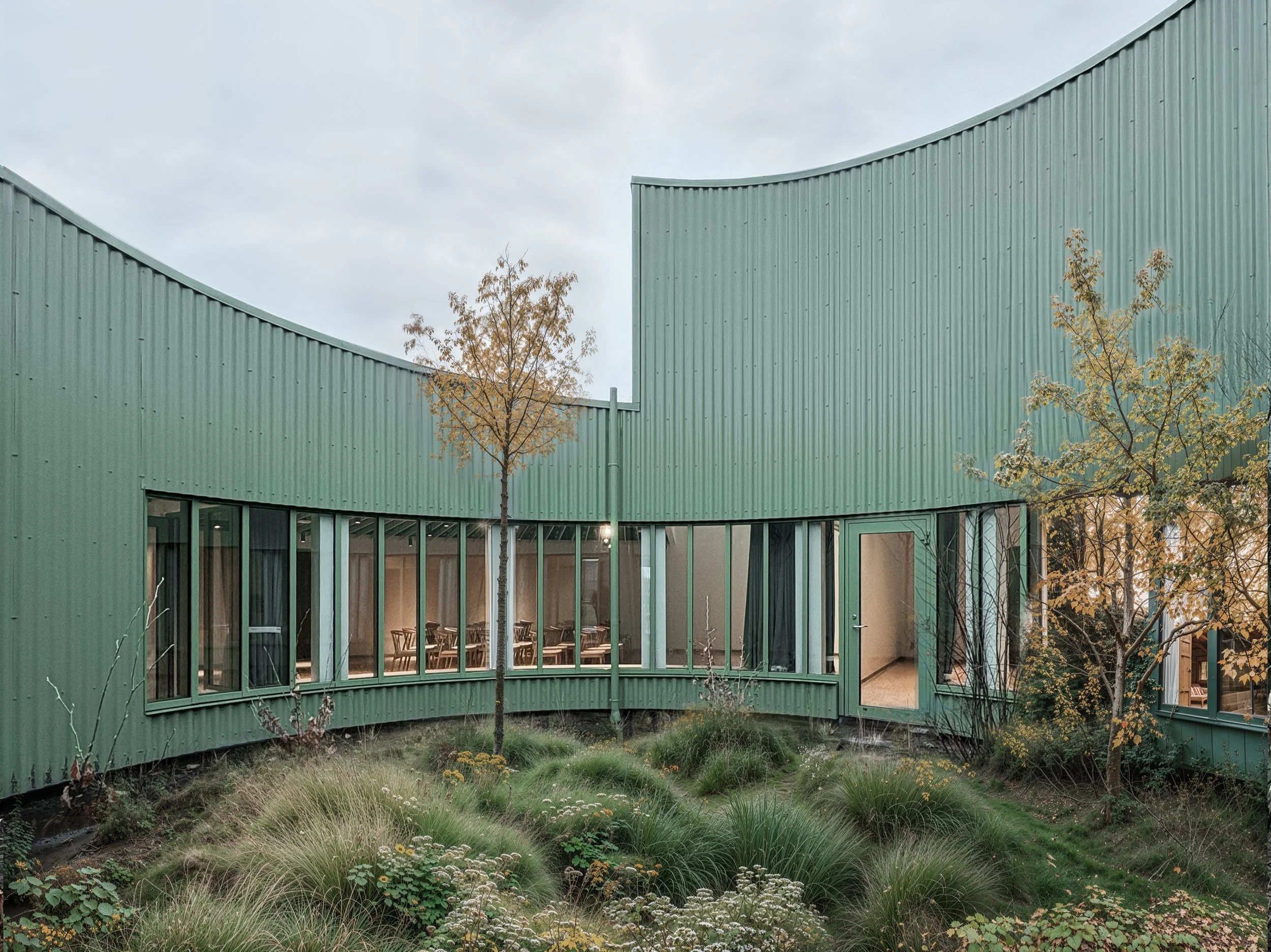
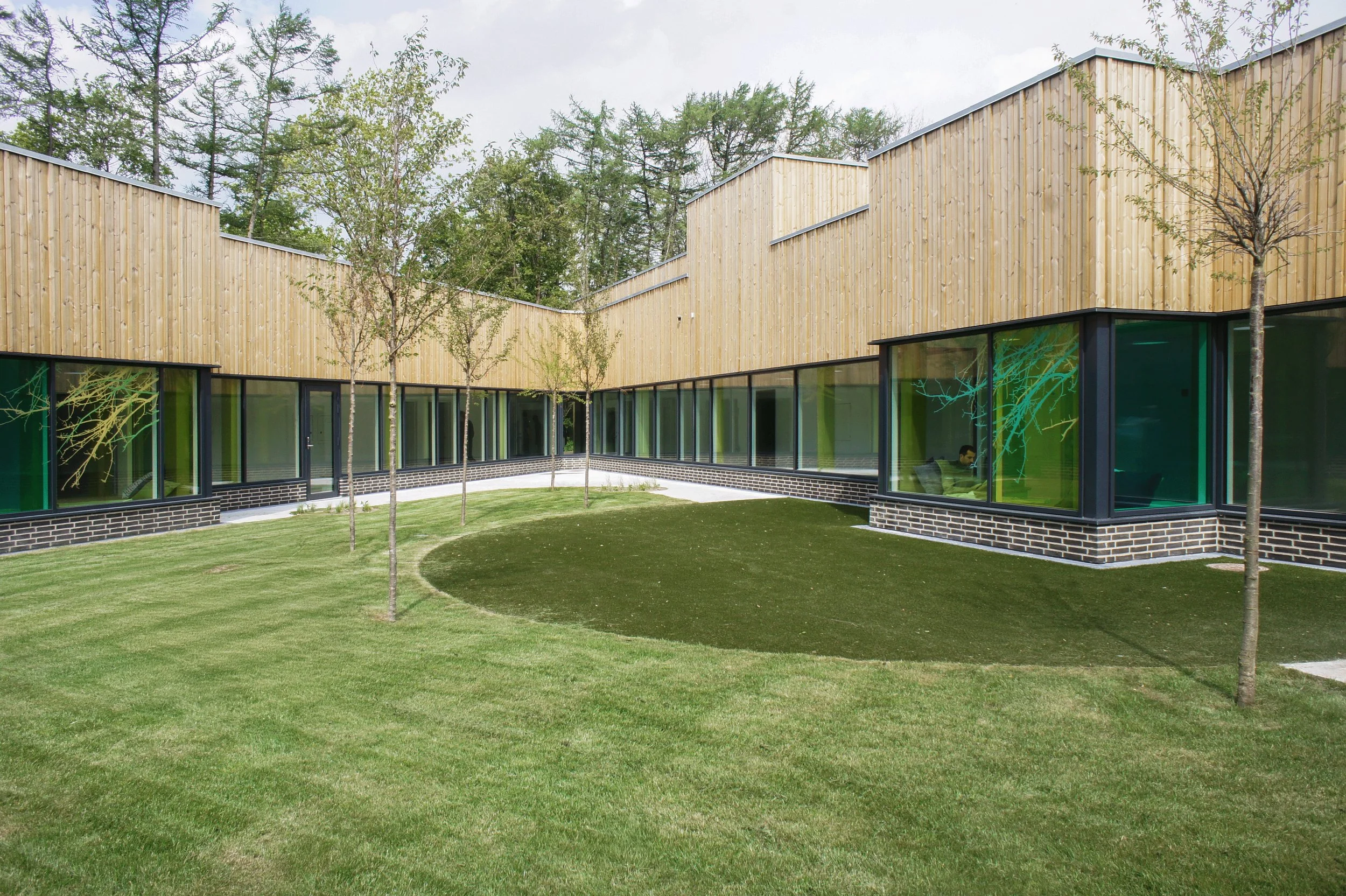
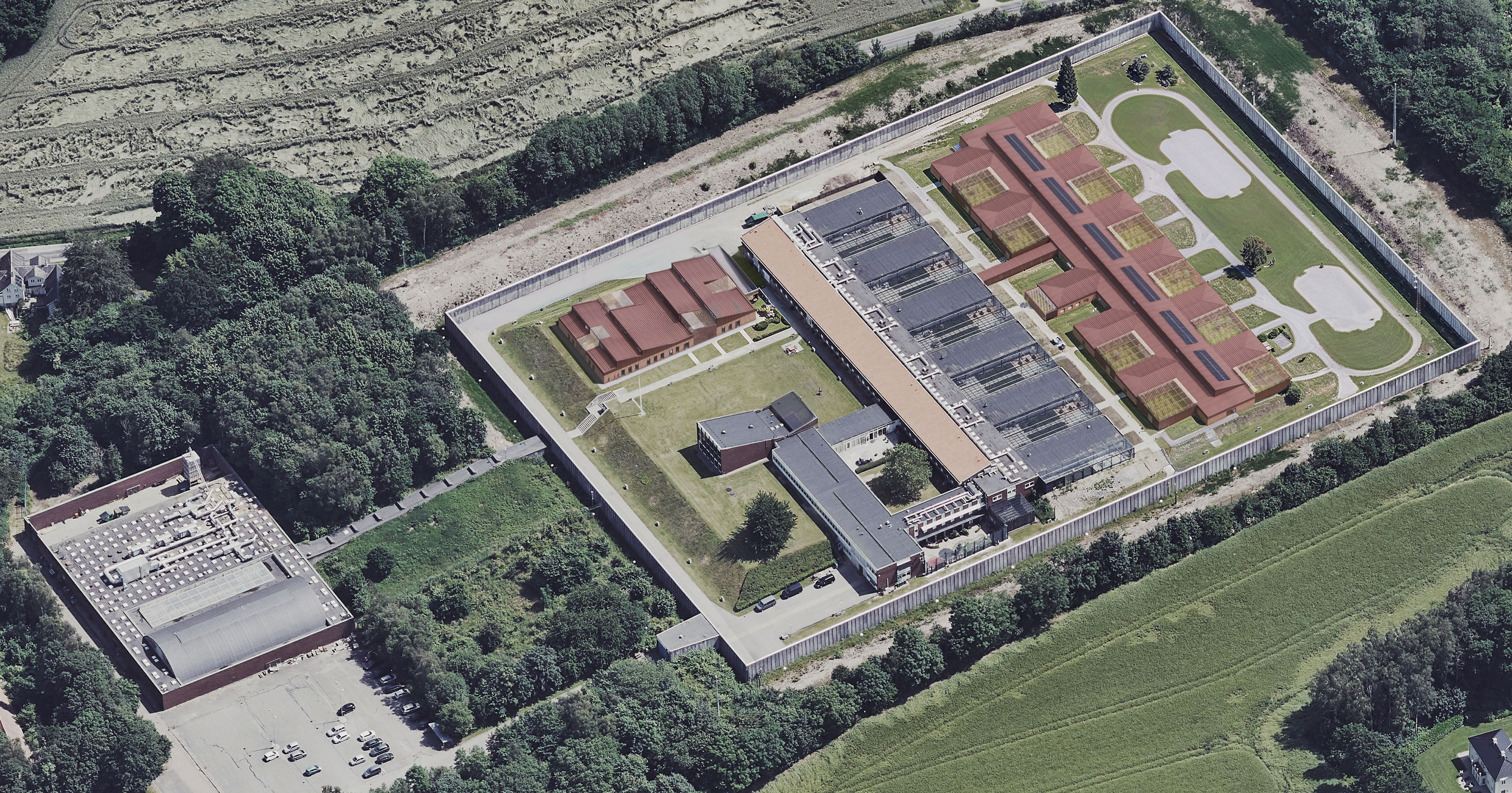
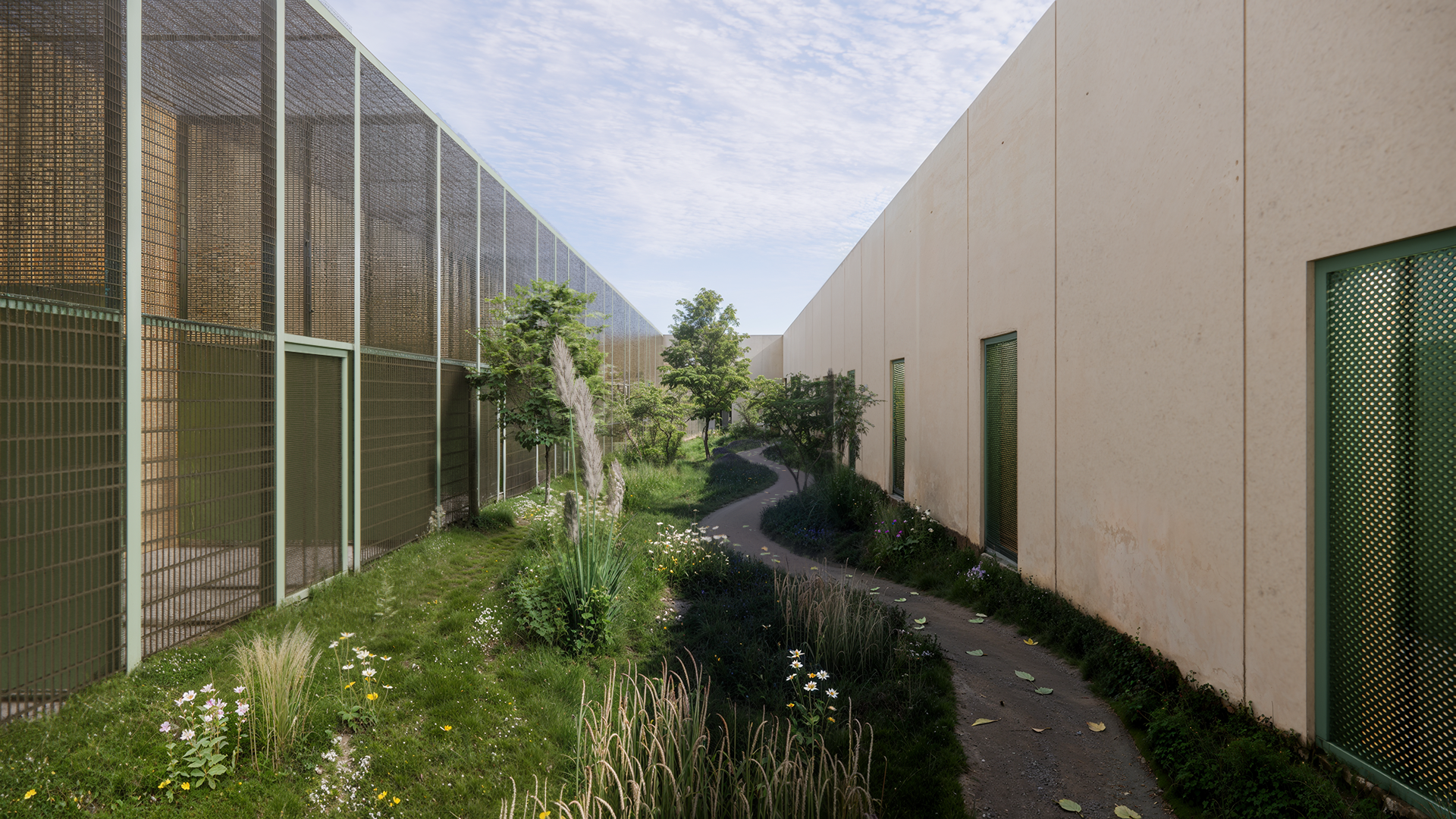
The foundations for healing environments are established through dialogue with users, clinicians, stakeholders and researchers. In programming, we explore how light, landscape, materiality, and spatial sequence influence human experience.
During design, these insights evolve into coherent architectural concepts where daylight, views, and tactile materials are integrated as active spatial tools. Sustainability and technical requirements are aligned with therapeutic ambitions to create measurable environmental quality.
Execution is followed by user feedback, strengthening our evidence-based understanding of how architecture supports recovery and resilience.
Healing architecture is not decorative. It is deliberate, researched, and continuously refined.