
#02
Working Reflections On….
Architecture that understands people – regardless of complexity
03.02.2026
Designing for complexity teaches you how to design with care!
Designing for Denmark’s most demanding user groups has shaped a professional expertise that creates value across a wide spectrum of building types. From prisons and psychiatric institutions to police stations and courts, and from airports to sports and leisure facilities, we work with architecture that responds to people with specific needs, meeting them where they are – in permanent settings, temporary environments, or spaces defined by movement and transition.This expertise does not belong to a single typology. It is interdisciplinary by nature, transferable across sectors, and consistently value-creating.
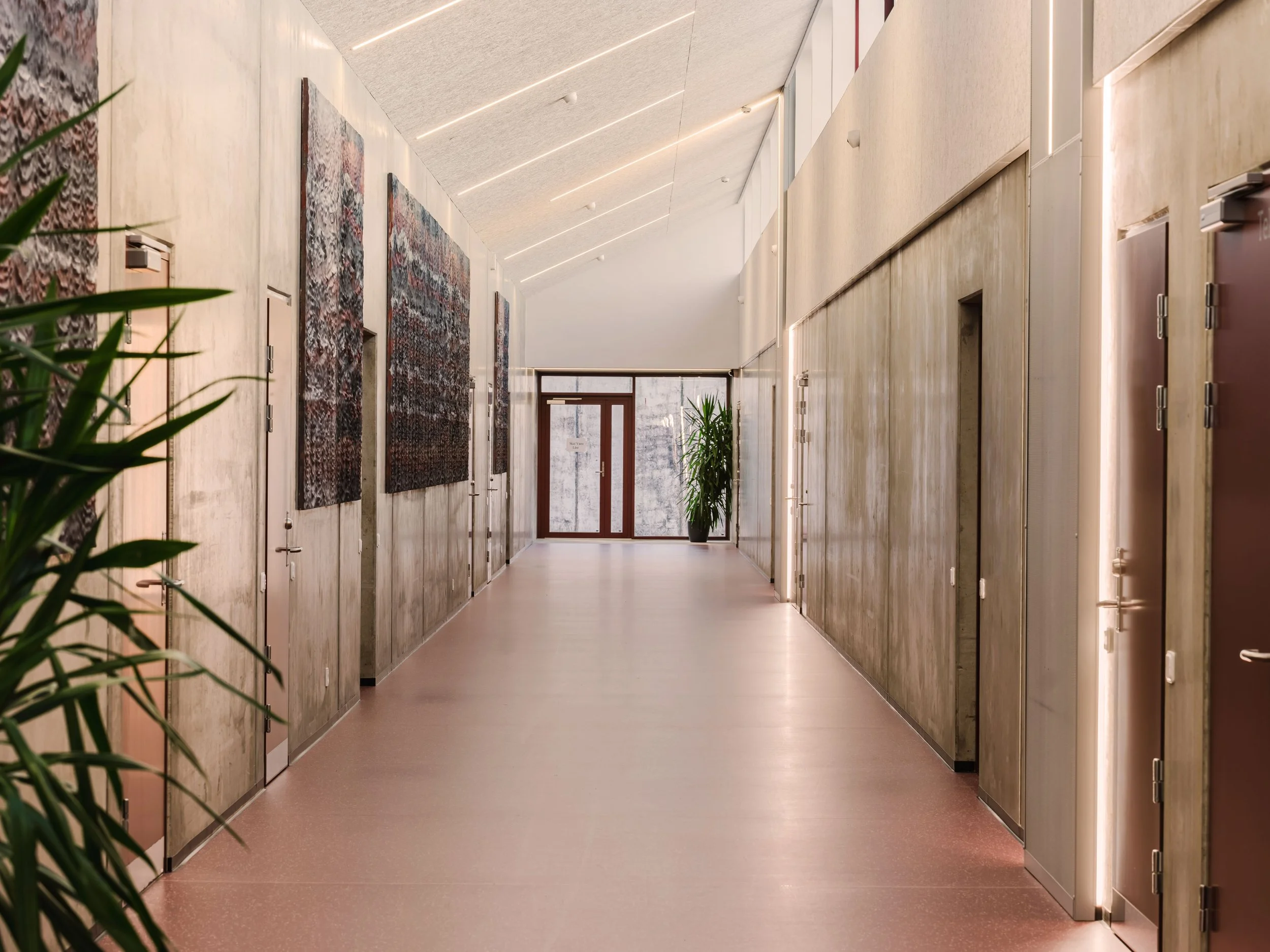
Deep user understanding creates better buildings
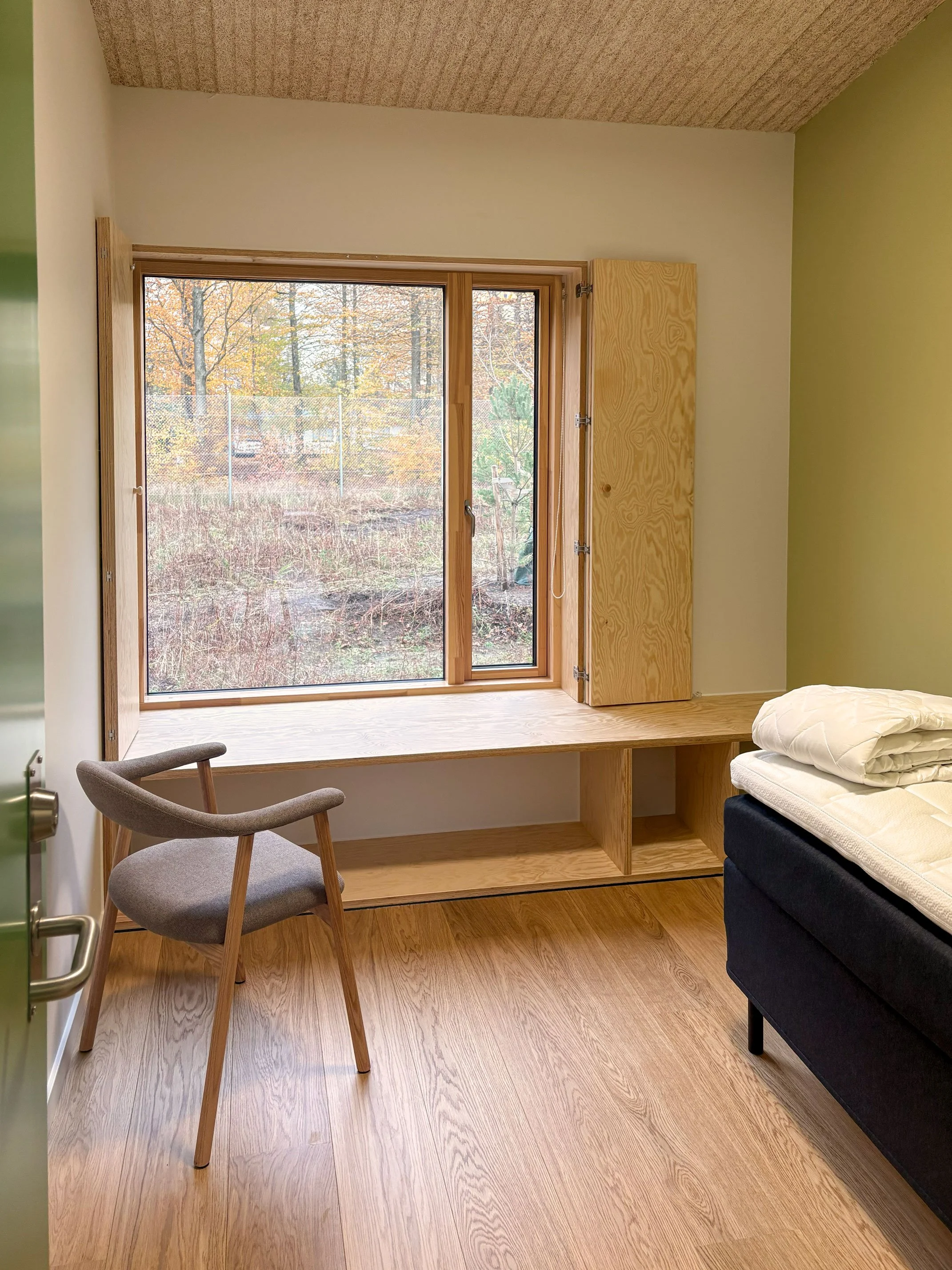
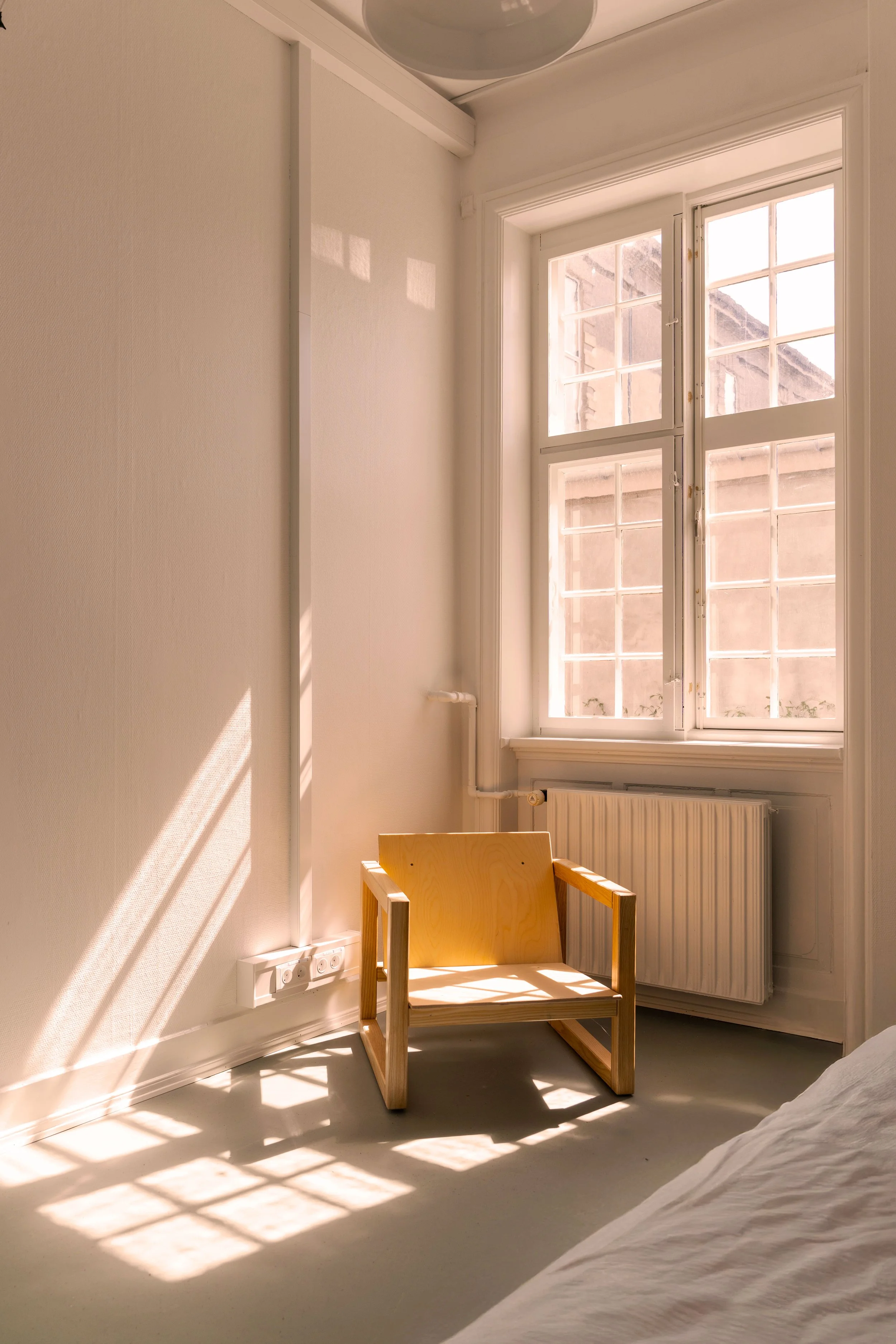
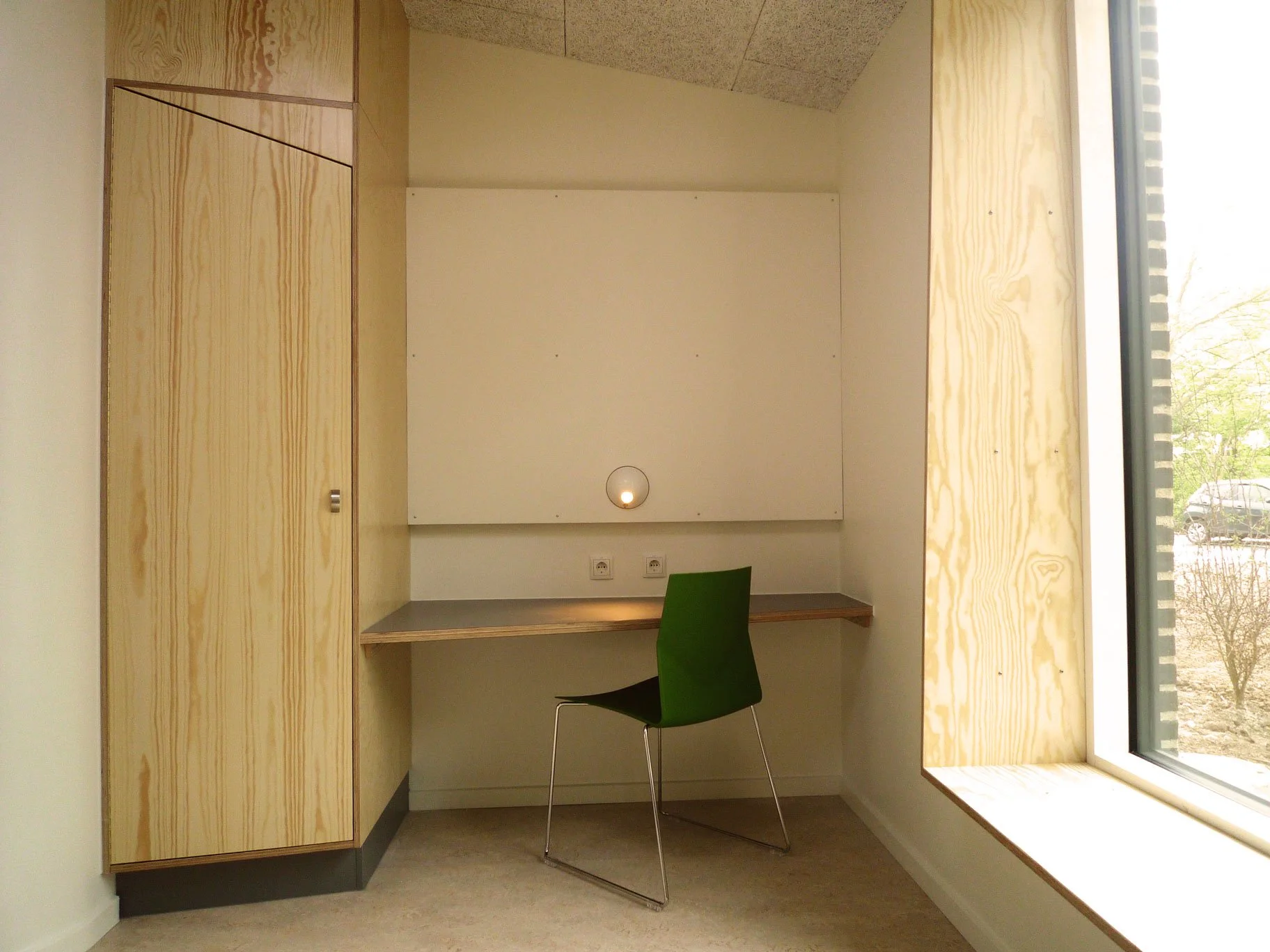
When you can design good environments for prisoners, patients with mental disorders, and people in crisis, you can design for everyone. A deep understanding of behavior, vulnerability, and everyday routines supports our approach to user involvement, behavioral analysis, and spatial planning. The result is buildings that perform with clarity and care – whether they are offices, housing, educational facilities, or commercial developments.Process consultancy – the investment clients do not know they are missing
Too often, the true complexity of needs only emerges late in a project. That is why early-phase process consultancy establishes clarity and lays the foundation for lasting value.
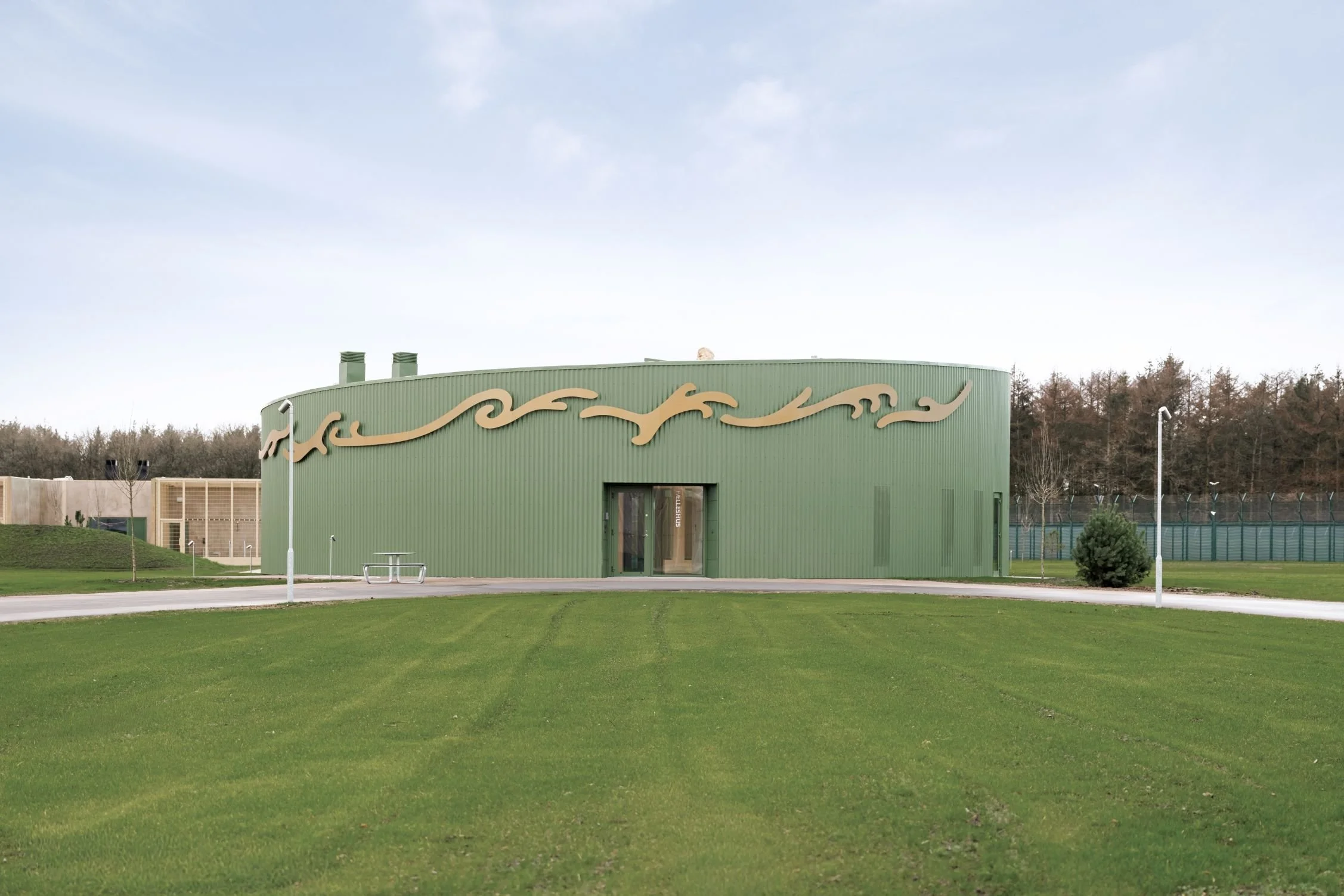
As lead consultants for the new detention center in Slagelse – from user involvement and building programming to the schematic design proposal – we ensured that the project was grounded from the outset in a nuanced understanding of both staff workflows and future inmates’ needs. The result was architecture where normalization and security operate as integrated principles, expressed through considered solutions, building structures with inherent flexibility to accommodate changing regimes, and long-term resilience achieved through multifunctionality.
When Copenhagen Airport embarked on the expansion of Terminal 3, we acted as client advisors to ensure that passenger flows, logistics, and intuitive wayfinding were embedded from the very first design decisions. Three years of pre-studies and analytical work ensured that every square meter served a clear purpose. The result is a terminal where millions of passengers move smoothly and intuitively through complex spatial systems.
Our experience demonstrates that early-stage process consultancy reduces risk, saves time and resources, and minimizes friction throughout the project lifecycle. Most importantly, it ensures that architecture delivers value from the moment it is brought into use.
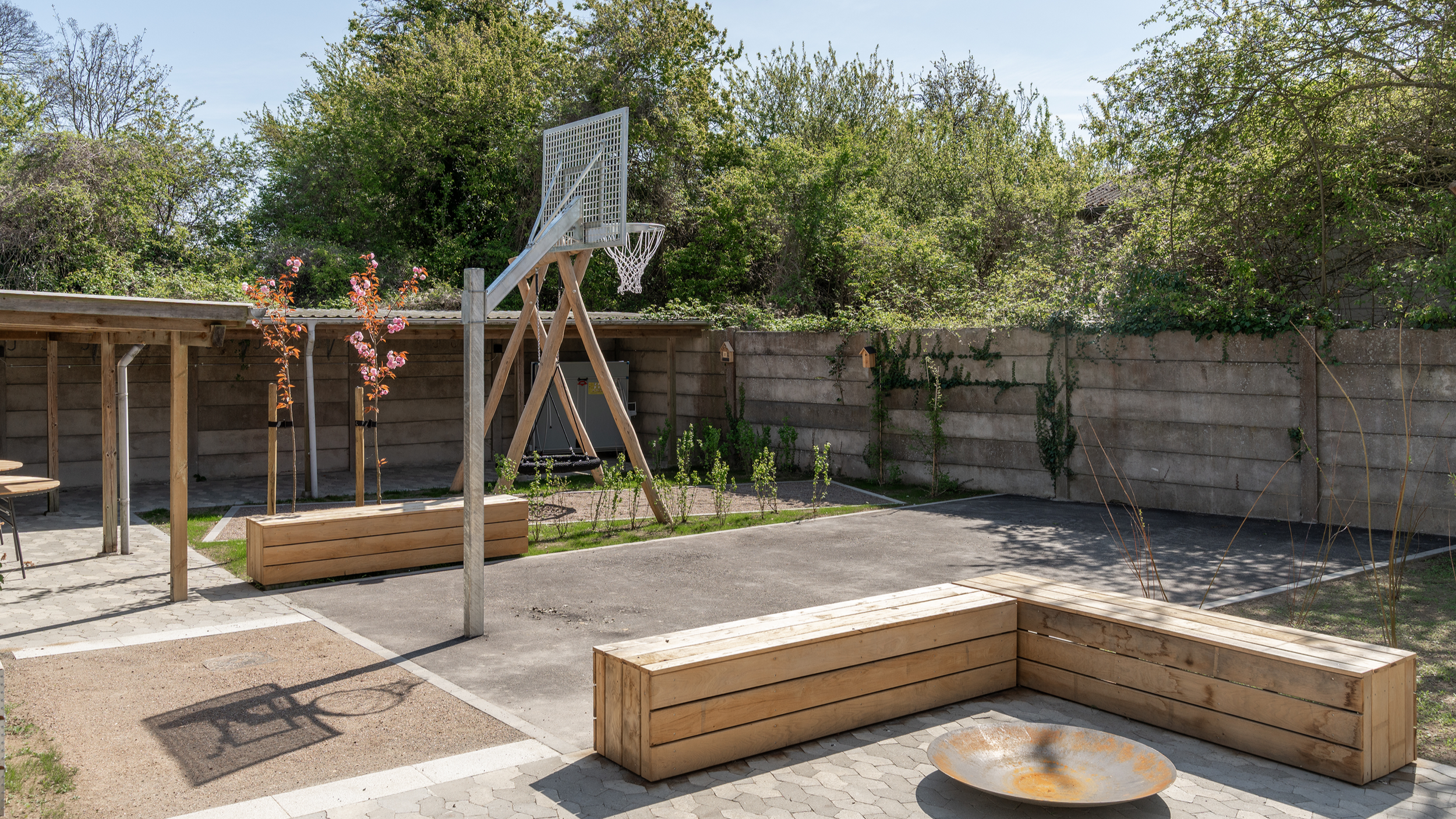
Working with user-centered design means noticing what others might overlook.
It is not only about designing buildings, but about shaping the frameworks in which people live, work, and thrive. Our experience, supported by specialized research, has taught us that details matter, that logistics must be considered from the outset, and that architecture must respond to diverse needs and behaviors – acknowledging that the built environment not only supports human activity, but quietly shapes it.Thanks for reading!
We truly believe that architecture shapes society, and every project is a chance to make spaces that people love and communities thrive in.
We can’t wait to share more ideas and inspirations with you in the next edition.